Go Outside and Play
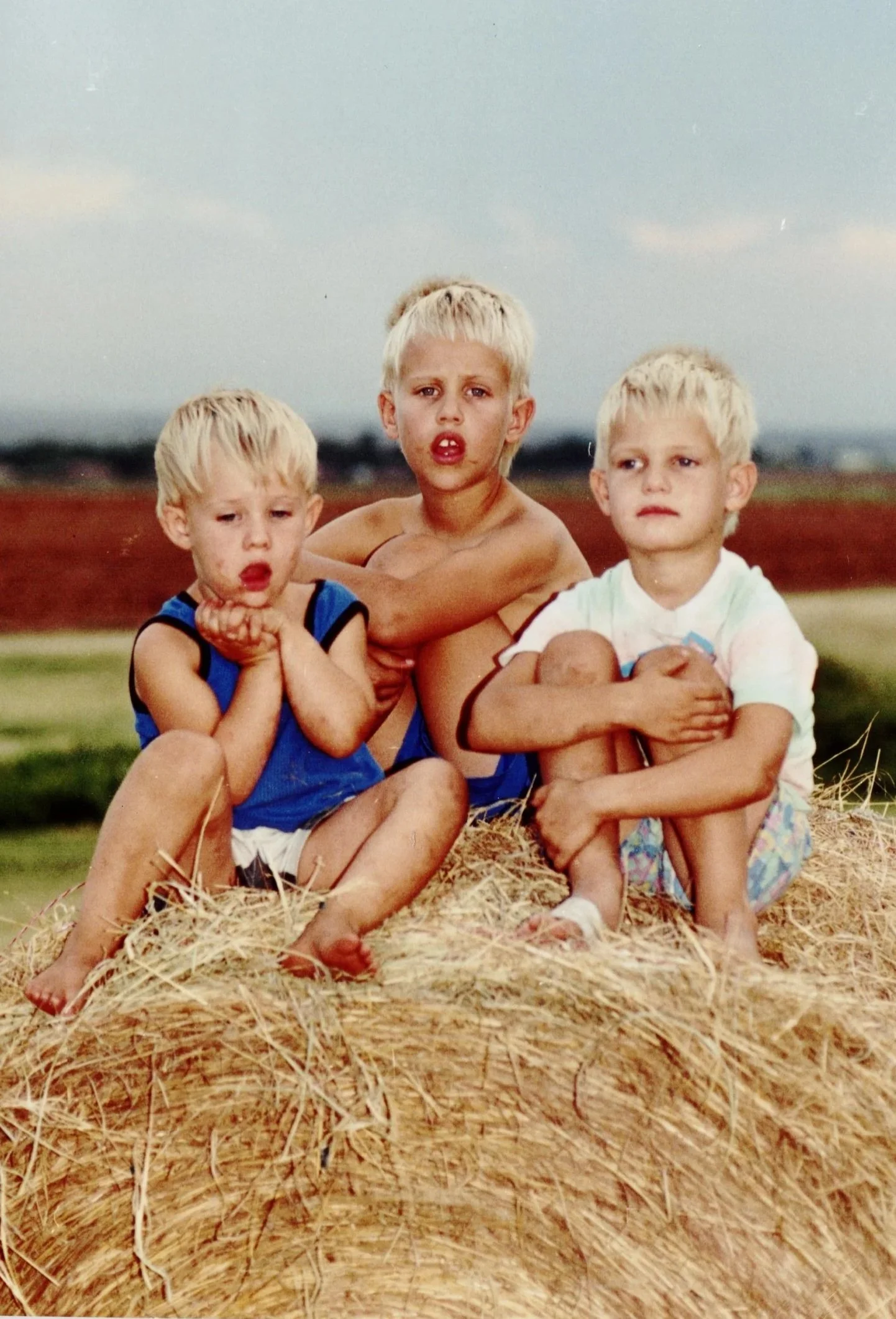
There is a certain stretch every year when school is out, calendars loosen up, and the days feel a little different. If you are suddenly searching “things to do with kids during winter break” or “easy break activities at home,” you are not alone. Here is the simplest answer I know, and it still works. Go outside and play. Not as a way to get them out of your hair. Just as a natural benefit. And if I am honest, I think that little sentence has shifted over the generations. It used to mean “go be a kid and come back when you are hungry.”
Now it can quietly mean “give me a little room to finish what I am doing.” I understand why. But kids still need the first version more than we realize. Because kids do not only need entertainment. They need movement, fresh air, and real sensory input in a way that indoor life does not always give them, especially during a long break when screens can quietly take over more hours than we planned. A lot of pediatric guidance over the years has pointed to the same basic idea: play is not optional. It supports children’s cognitive, physical, social, and emotional well-being, and outdoor play tends to naturally bring in things that help mood and regulation, like physical activity, imagination, and a change of environment. Sunlight is part of why outside helps.
Vitamin D is not the only reason to get outdoors, but it is one practical piece. The NIH Office of Dietary Supplements explains that the body can produce vitamin D when UV rays from sunlight hit the skin and trigger vitamin D synthesis. We need to remember that growing, developing kids are not meant to live under ceiling lights and screens all day. It even shows up in eyesight. This one surprised me when I first read it. A major review in Ophthalmology found that increasing outdoor time reduced the risk of myopia onset and myopic shifts, especially in kids who were not yet nearsighted.
So if you have been wanting more screen-free activities for kids during break, outside time is one of those habits that pays off in more than one way. The food connection, because I cannot help myself. When I think about kids needing natural light and movement, I think about animals, too. Not because kids are livestock, obviously, but because the pattern is familiar. In poultry production, lighting programs are carefully managed because light affects bird behavior, circadian rhythms, and welfare.
Controlled environments can be efficient and predictable, but they are not the same as a life built around natural rhythms. And in at least some research, pasture access can show up in the food. One peer-reviewed study comparing eggs found pasture-raised groups had higher omega-3 content and a much lower omega-6 to omega-3 ratio than the comparison group in that research, along with higher carotenoids.
Nutrition depends on multiple factors, including feed, so I avoid broad claims. Still, it is a good reminder that the environment matters. That is part of why our family keeps coming back to pasture-raised. It is not a marketing buzzword for us. It is a practical choice that aligns with how living things tend to do best.
If you want an easy break activity that does not require supplies, tickets, or a perfect schedule, try this. Twenty to thirty minutes as your "outdoor reset". A short family walk. Backyard play. A ball. Bikes. A nature scavenger hunt. Or letting them invent a game that makes no sense but somehow lasts half an hour. Then you come back in, everyone is a little calmer, and dinner feels less like a second job. And if dinner includes quality protein and healthy fats that support steady energy and growing brains, that is a win too, which is part of why we talk about Beef & Brainpower in the first place.
Better beef from your personal rancher. Taste the Difference Today!