Why Packers Hold So Much Power in the Beef Industry
A simple explanation of why producers are frustrated
You’ve probably seen headlines about investigations into the big meatpacking companies lately. The topic can sound complicated, but this may help explain what’s really happening and why ranchers like our family are speaking up.
Most families never see how the beef industry works behind the scenes. You meet the finished product at the grocery store and assume everyone in the chain shares the rewards evenly. That’s far from the truth. To understand why packers hold so much influence, it helps to see how the system works and who controls what.
Cow–Calf Producers
Everything starts with small cow–calf operations, many with fewer than a hundred mother cows. These families carry the full cost of land, feed, genetics, veterinary care, and equipment, often for months before they see any return.
Backgrounders
After weaning, calves may go to backgrounders who grow them on pasture or forage diets. This step prepares cattle for the finishing phase. Like ranchers, backgrounders accept whatever the market offers; they don’t set their own prices.
Feedlots
Next, cattle move to feedlots where they’re finished on high-energy rations. Feedlots operate at scale but still rely on what packers are willing to pay. Even with negotiations, the limits are set by packer demand.
Packers
This is where frustration peaks. Packers sit at the center of the supply chain, setting prices in both directions:
- What they pay for live cattle
- What they charge for boxed beef
No other group has that kind of control. And because just a few major packers handle most of the nation’s processing capacity, they hold tremendous leverage over the market.
When one point in the system controls both the buying and the selling, everyone else absorbs the pressure. That imbalance is why producers face thin margins and unstable income even when grocery store beef prices rise.
It’s also why President Trump recently announced a federal investigation into potential monopolistic practices among the major packers, emphasizing that food security is national security.
What This Means for Small Producers
Family ranches like ours can’t compete with industrial packers on volume or bulk input pricing. We don’t have the scale that drives national market discounts. What we can compete on, and where we shine, is quality, nutrition, and trust.
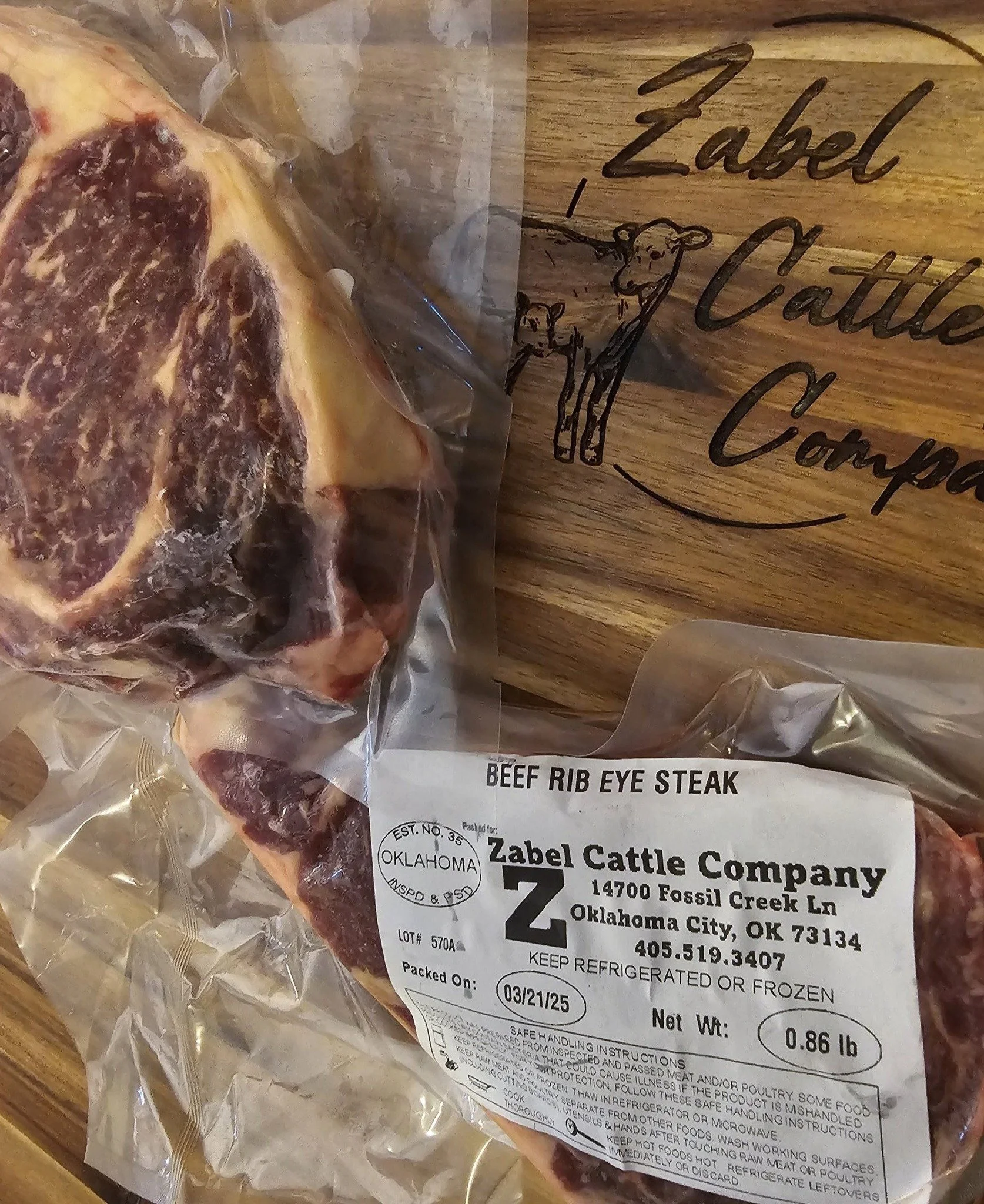
When you buy ZCC beef, you aren’t covering markups through a chain of middlemen. You’re paying for honest, pasture-raised beef with exceptional flavor and nutrient density, the same beef we serve our own family. That’s what we mean by Better Beef from Your Personal Rancher.
Why This Matters to Your Family
Buying direct from a local producer changes everything. It removes the layers that take value away from both sides and keeps it where it belongs, with the people who raise your food.
At Zabel Cattle Company, we call it pasture to plate on a route you could draw on a napkin. You know where your food comes from, who raised it, and how it was cared for. That’s what real food security looks like.
So the next time you open a box of ZCC beef, know you’re supporting a system built on integrity, transparency, and better taste, food with a story you can trace all the way back to our pastures.
Open the box. Join the story.
Taste the Difference Today! Contact us to learn more about how our beef and local butchering can elevate your meals and support your health. www.zabel.co/contact